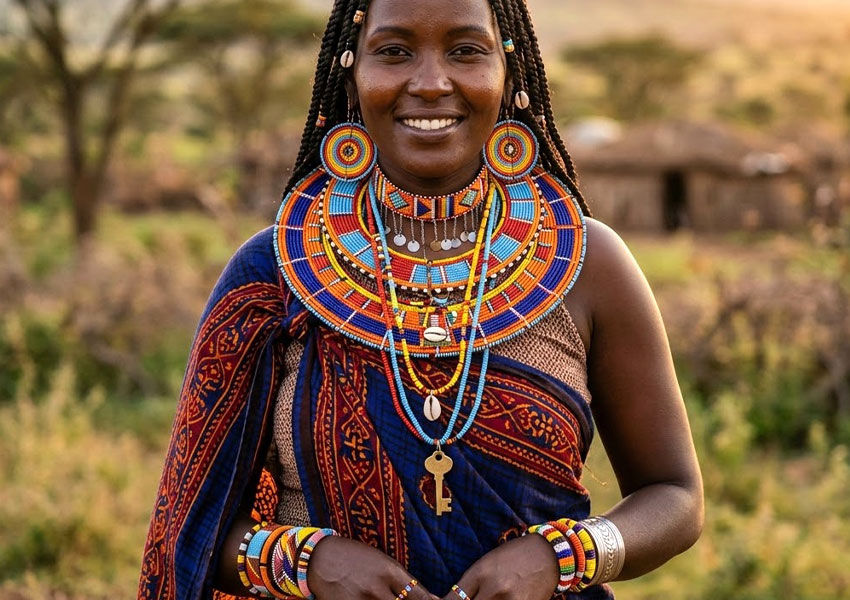
Introduction: Jewelry That Tells a Story
Jewelry has always been a means of expressing ourselves. Across cultures, it represents identity, status, spirituality, and artistic expression. African ethnic jewelry stands out for its deep cultural roots and powerful storytelling.
Each piece reflects the traditions of the community it comes from. It carries the history of generations, the skills of artisans, and the symbolism of materials and colors. Unlike mass-produced jewelry, these pieces are handcrafted, often using techniques that have been passed down for centuries.
In 2026, there is a growing shift toward meaningful consumption. People are increasingly drawn to jewelry that is not only beautiful but also ethical, sustainable, and culturally rich. African ethnic jewelry fits perfectly into this movement.
What is African Ethnic Jewelry?
African ethnic jewelry refers to traditional jewelry made by artisans across different regions of Africa using locally sourced materials and time-honored techniques.
These pieces are known for their:
-
Distinctive and bold designs
-
Cultural symbolism and meaning
-
Use of natural and sustainable materials
-
Handmade craftsmanship
Each piece is unique, often showing slight variations that highlight the human touch behind its creation. This individuality is what makes ethnic jewelry so valuable and special.
Materials That Define African Jewelry
One of the most fascinating aspects of African ethnic jewelry is the diversity of materials used. These materials are often sourced from nature and transformed into beautiful adornments.
Natural Materials
Many African artisans work with materials that are readily available in their environment. These include wood, bone, leather, seeds, and shells. These elements are carved, polished, and shaped into intricate designs.
Natural materials not only give the jewelry a raw and organic aesthetic but also make it environmentally sustainable.
Metals and Silver Ornaments
Silver and copper are widely used in African jewelry-making. These metals are valued for their durability and timeless appeal.
Artisans often engrave these metals with traditional patterns and motifs that reflect their cultural heritage. Even today, many designs are inspired by pieces that were created hundreds of years ago.
This continuity keeps cultural traditions alive while adapting them for modern audiences.
Sisal Fiber: Strength and Tradition
Sisal fiber is one of the strongest natural fibers and is commonly used in Southern Africa. It is handwoven by artisans, particularly by the Swazi people.
Sisal jewelry is:
-
Lightweight and durable
-
Suitable for everyday wear
-
Deeply rooted in tradition
Historically, sisal has been used to create items for daily use as well as ceremonial adornments. Jewelry made from sisal is often worn during festivals, rituals, and community gatherings.
The Cultural Importance of Beads
Beads are one of the most iconic elements of African ethnic jewelry. They are not merely decorative but carry deep cultural and symbolic meanings.
Natural Colors and Materials
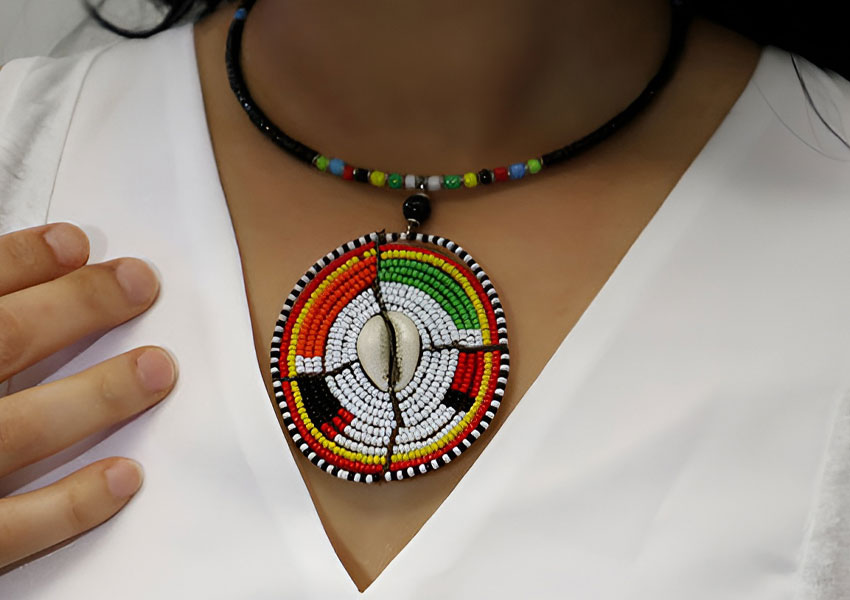
African Maasai Beaded Necklace with Cowrie Shell
Many traditional African beads derive their colors from naturally occurring minerals such as iron oxide. This means they do not rely on artificial dyes or chemicals.
As a result, these beads are:
-
Environmentally friendly
-
Highly durable
-
Rich in earthy, natural tones
Blue Talhakmit Beads
One notable example is the Blue Talhakmit bead, handcrafted by artisans in West Africa. These beads are created using traditional glass-making techniques that have been preserved over generations.
They are often produced by women artisans, who pass down their knowledge from mothers to daughters. Each bead represents not only craftsmanship but also cultural continuity and community identity.
Women and Generational Craft
In many African societies, jewelry-making is closely tied to women’s roles within the community. Skills are taught within families, ensuring that traditions are preserved over time.
This process does more than create jewelry. It sustains livelihoods, strengthens cultural identity, and empowers artisans economically.
Maasai Jewelry: Bold Colors and Cultural Identity
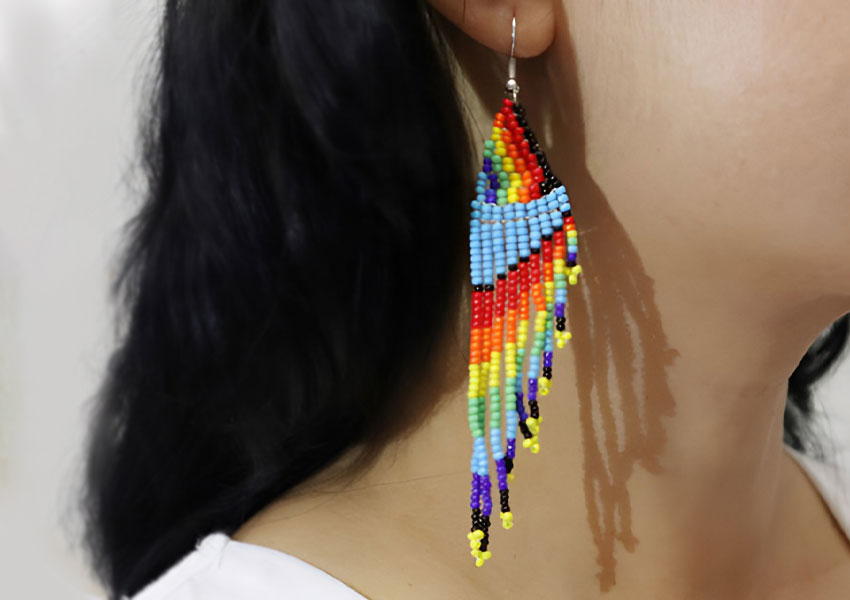
Rainbow Wings Maasai Beaded Earrings
Maasai jewelry is one of the most iconic forms of African ethnic adornment, known for its vibrant colors, intricate beadwork, and strong cultural symbolism.
Created by the Maasai people of East Africa, this jewelry is traditionally handcrafted using glass beads arranged in detailed patterns. Each color used in Maasai beadwork carries a specific meaning:
- Red symbolizes bravery, strength, and unity
- Blue represents energy and the sky
- White stands for purity and health
- Green reflects land and nourishment
- Yellow and orange signify hospitality and warmth
Maasai jewelry is more than decorative — it plays an important role in social identity. Necklaces, earrings, and bracelets often indicate a person’s age, marital status, and position within the community.
Traditionally, Maasai women are the primary creators of these pieces, passing down their beadwork skills through generations. This not only preserves cultural heritage but also supports economic independence within the community.
Today, Maasai jewelry has gained global recognition for its bold aesthetic and meaningful design. Despite its modern popularity, authentic pieces continue to reflect the traditions, stories, and craftsmanship of the Maasai people.
Spiritual and Symbolic Meaning
African ethnic jewelry often carries spiritual significance. It is not uncommon for pieces to be worn for protection, healing, or ceremonial purposes.
For example:
-
Prayer beads are believed to protect against negative energy
-
Certain colors represent emotions, life stages, or social status
-
Patterns and designs can indicate tribal identity
These symbolic meanings transform jewelry into something deeply personal and meaningful.
Copper Jewelry and Ethiopian Craftsmanship
Copper is another important material used in African jewelry. It is valued not only for its appearance but also for its believed healing properties.
Ethiopian artisans are known for creating intricate copper bead jewelry. These pieces often feature:
-
Handcrafted beads with unique patterns
-
Carefully woven copper wire designs
-
Strong spiritual and cultural symbolism
Each piece is distinct, reflecting the individuality of the artisan and the cultural context in which it was created.
From Tribal Traditions to Global Fashion
African ethnic jewelry was originally created for everyday wear, ceremonies, and rituals within local communities. Over time, these designs have gained global recognition.
Today, they are appreciated by:
-
Designers seeking authentic inspiration
-
Collectors interested in cultural artifacts
-
Individuals looking for unique, meaningful accessories
Despite their global popularity, authentic pieces are still often sourced through fair trade practices. This ensures that artisans are fairly compensated and that traditional methods are preserved.
Why Choose African Ethnic Jewelry?
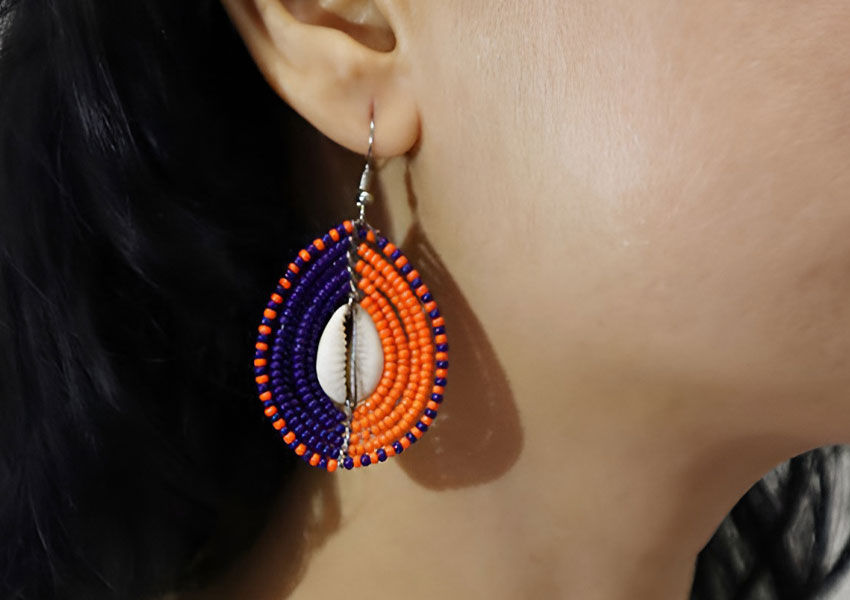
Maasai Beaded Earrings with Seashell
In a world dominated by fast fashion, handcrafted jewelry offers a refreshing alternative.
Choosing African ethnic jewelry means:
-
Owning a one-of-a-kind piece
-
Supporting traditional craftsmanship
-
Promoting sustainable and ethical practices
-
Connecting with cultural heritage
It is not just about style. It is about intention and meaning.
A Meaningful Gift Choice
African ethnic jewelry also makes for a thoughtful and unique gift. Unlike generic accessories, these pieces carry a story and a sense of authenticity.
Many designs incorporate gemstones such as turquoise, amethyst, emerald, and ruby. These stones add both beauty and symbolic significance.
Whether for a special occasion or a personal gesture, such jewelry offers something truly memorable.
The Rise of Conscious Jewelry in 2026
Consumer preferences are evolving. In 2026, there is a noticeable shift toward conscious and responsible purchasing.
People are prioritizing:
-
Sustainability
-
Ethical sourcing
-
Handmade products
African ethnic jewelry aligns with these values. It represents a move away from mass production and toward mindful consumption.
How to Identify Authentic African Ethnic Jewelry
With increasing demand, it is important to distinguish authentic pieces from mass-produced imitations.
Look for:
-
Slight imperfections that indicate handcrafting
-
Natural materials instead of synthetic substitutes
-
Transparent sourcing and artisan stories
-
Fair trade or ethical certifications
Authenticity adds value not only to the product but also to the experience of owning it.
Caring for Ethnic Jewelry
To preserve the beauty and longevity of your jewelry:
-
Store pieces in a dry place
-
Avoid exposure to harsh chemicals or water
-
Clean gently with a soft cloth
-
Handle natural materials with care
Proper care ensures that these pieces remain timeless.
Final Thoughts: Jewelry with Meaning
African ethnic jewelry is more than an accessory. It is a representation of culture, craftsmanship, and human connection.
Each piece tells a story of tradition, creativity, and identity. In a world where trends change rapidly, such timeless creations hold lasting value.
Choosing jewelry with meaning allows you to wear something that is not only beautiful but also deeply significant.